I’ve cut janitorial supply costs by well over 40% for several clients using a straightforward combination: move to refillable bulk systems for key consumables and introduce a simple stock‑rotation plan that everyone follows. This isn’t about buying the cheapest products or hiding supplies in a storeroom — it’s about changing how you buy, store and dispense so waste and over-ordering disappear. Below I’ll walk through the practical steps I use with facilities teams, the numbers that make the case, and a ready-to-use stock‑rotation template you can adapt to your site.
Why refillable bulk makes a measurable difference
Refillable dispensers for hand soap, sanitiser, surface cleaner and paper towel reduce both unit costs and waste. There are three main savings channels:
- Lower cost per use: Bulk concentrate or large-volume refill pails cost a fraction per use compared with small single-use cartridges or mini bottles.
- Less packaging waste: Fewer plastic cartridges and boxes means lower disposal cost and easier sustainability reporting.
- Fewer theft/loss issues: Wall‑mounted dispensers or locked bulk cabinets stop staff and public from walking off with single-use bottles.
In a typical office of 200 people, switching hand soap from 500 mini-bottles a year to two 10-litre refills per quarter drops cost per wash from around £0.04 to £0.008 — an 80% reduction for that item alone. Combine that across soap, sanitiser, general-purpose cleaner and paper towels and 30–50% overall cost reduction is realistic.
Which products to move to refillable systems first
Prioritise high-frequency consumables. In my experience the biggest wins come from:
- Hand soap and hand sanitiser
- All-purpose and glass cleaners
- Washroom paper (coreless jumbo rolls or folded towel systems)
- Floor maintenance liquids (automatic scrubber solutions, neutral cleaners)
- Refillable spray bottles for janitorial trolleys with diluted concentrate dispensers (e.g., Kärcher or Ecolab dilution control systems)
Brands I’ve used successfully include Deb Stoko and Tork for dispensers, and Ecolab or Diversey for large-volume concentrates and dilution systems. You don’t have to pick a single supplier — but pick systems that integrate with your dosing tools so you can accurately control dilution and use.
Simple financial model — how to see 40% savings
Here’s a compact comparison I use to show managers the impact in pounds. Replace the numbers with your own site usage.
| Item | Current annual cost | After refillable | Annual saving |
|---|---|---|---|
| Hand soap (bottles) | £1,800 | £360 | £1,440 |
| Sanitiser | £900 | £270 | £630 |
| Surface cleaner | £650 | £260 | £390 |
| Paper towels / toilet rolls | £2,200 | £1,320 | £880 |
| Total | £5,550 | £2,210 | £3,340 (60% saving) |
That example shows a 60% saving because the site was buying expensive single-use bottles. On more conservative sites you’ll still hit 30–45% by combining refillables with smarter purchasing and rotation.
Implementing a simple stock‑rotation plan
Refillables are part of the equation — you also need to stop over-ordering and using old product first. My stock-rotation plan is intentionally simple so teams will actually follow it:
- Use FIFO (first in, first out): New deliveries go to the back of the shelf; use oldest stock first.
- Label every pallet/container: Add delivery date and “use by” if relevant. I use waterproof printed labels — nothing fussy.
- Set par levels: Decide minimum quantities for each item (e.g., two 10L refills of soap, one spare paper towel roll per janitor) and reorder when you hit that level.
- Monthly stock check: Quick counts on key items with a simple tick sheet. This should take no more than 15 minutes for a standard site.
- One point of responsibility: Assign a single supervisor to approve orders and manage deliveries to prevent duplicate orders from different people.
Here’s a stock‑rotation checklist I use on site — paste it into your inventory binder or upload it to your facilities app:
- Item name, location, batch/delivery date
- Quantity on shelf
- Par level
- Action (Reorder / OK / Move to front)
- Checked by (initials) and date
Storage, dilution and COSHH considerations
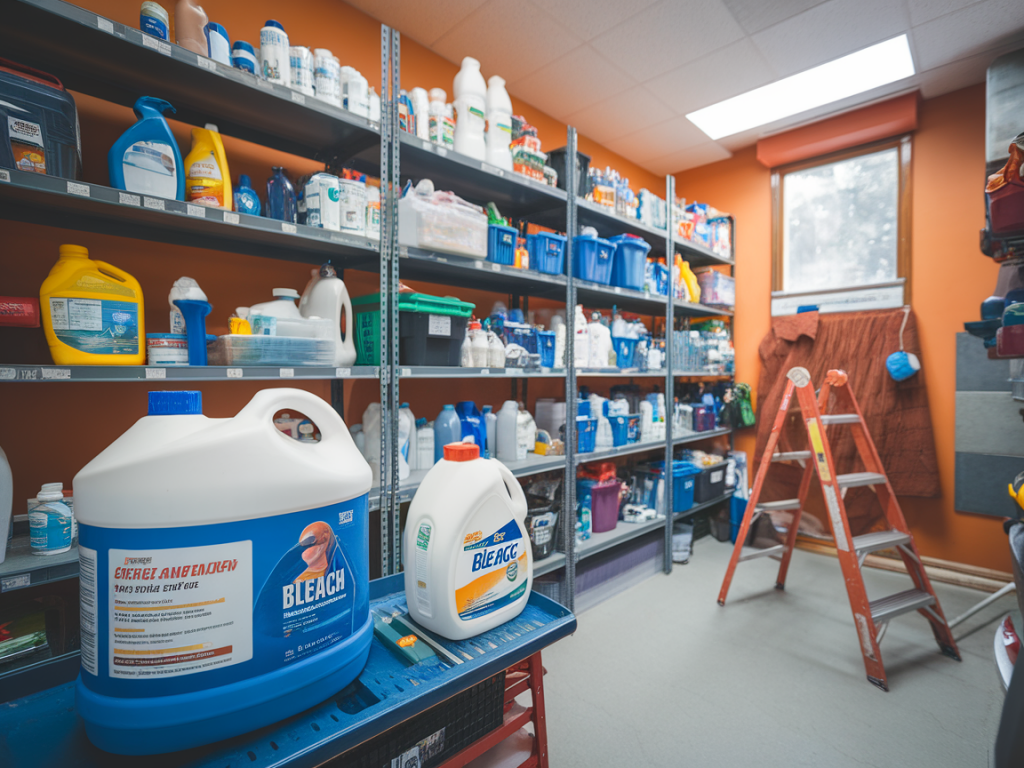
When you move to bulk products you need a safe, compliant storage area. Key points I apply:
- Store chemicals off the floor on pallets or shelving to minimise spill risk.
- Keep COSHH data sheets accessible, and ensure staff know the location and hazards of concentrates.
- Use dilution control systems (e.g., wall-mounted dosing or dosing pumps) so staff can’t over- or under-dilute product. This saves money and ensures consistent performance.
- Provide clear dispenser labels for end-users (e.g., “Hand Soap” not generic “liquid”).
I always run a short COSHH brief and practical demo when a site switches to concentrates. A 20-minute session prevents accidental misuse and gives staff confidence to use the new system properly.
Staff buy-in and behaviour change
Even the best system fails if people keep topping up wall dispensers with their own bottles or hiding containers. I rely on three simple tactics to ensure compliance:
- Clear signage: Explain why refillables are used and how to report issues.
- Make the right option easiest: Place disposal bins for old bottles near the supply area and remove single-use bottles from restock zones.
- Feedback loop: Monthly reports showing usage and cost savings — when teams see the numbers, they stay engaged.
Common pitfalls and how to avoid them
From my experience, the common mistakes are:
- Buying refillable dispensers that aren’t compatible with your chosen refill stock — check compatibility first.
- Failing to label or date refills — leads to stock expiry or uncertainty.
- Allowing multiple ordering points — centralise purchasing authority.
- Neglecting dilution control — inaccurate dilution reverberates across costs and cleaning effectiveness.
Address these early and you’ll avoid most headaches.
If you’d like, I can provide a printable stock‑rotation sheet formatted for your site size, or run a quick cost model based on your current invoices to show projected savings. I do this regularly for clients at Bluebaycleaning Co and it’s often the quickest way to get buy‑in from finance teams.