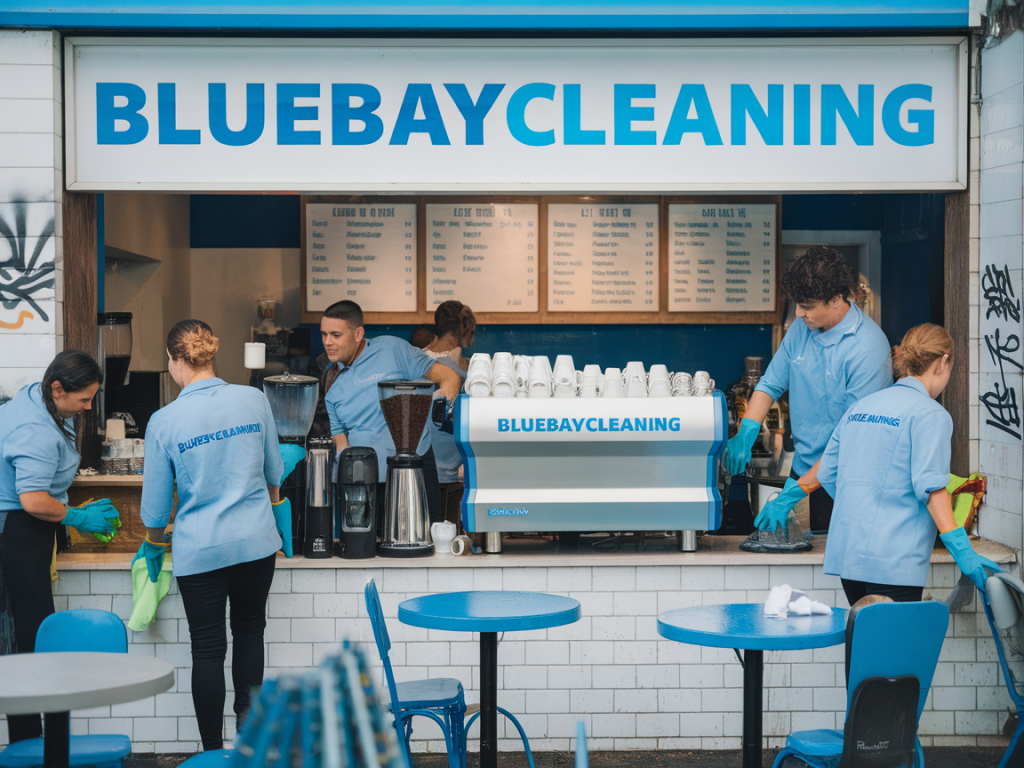
I was called in by a busy independent café in Brighton after a worrying spike in food safety incidents: customer complaints about allergic reactions, a couple of near-misses with cross-contamination, and inconsistent cleaning of food prep surfaces. The owner was rightly concerned — incidents were damaging reputation and creating real operational risk. My job was simple on paper: train the café team to halve food safety incidents within three months. In practice, achieving that required a mixture of practical training, process redesign, and culture change. Here’s exactly what we did, why it worked, and the tools and checks we used so managers can replicate the same approach.
Understanding the real problem (not just the symptoms)
When I first audited the site, the checklist said “compliant” but problems still happened. That’s a common gap: paperwork looks good while day-to-day practice drifts. I spent two full shifts observing service and prep, asking the team questions, and logging every issue — even the small ones. The key discoveries were:
Inconsistent handwashing and glove change routines during busy periods.Confusion about allergen labelling and shared utensils (e.g., a single ladle used for sauces).Cleaning frequency driven by vague rules (“clean when it looks dirty”) rather than set triggers.Staff turnover meant new starters were learning informally from busy colleagues, inheriting bad habits.Understanding these root causes allowed us to design interventions that didn’t just paper over the problem but changed behaviour.
Training designed for the real-world café environment
Training needed to be short, memorable, and immediately applicable during service. I used a blended approach:
Micro-training sessions: 15–20 minute modules delivered before shifts on three key topics — hand hygiene, allergen control, and surface/utensil cleaning. Short sessions are easier to schedule and stick.Practical demonstrations: I demonstrated correct glove use (when to change), how to carry out a colour-coded cleaning regime, and how to handle allergen orders. Seeing is believing — staff could replicate immediately.Scenario drills: We rehearsed common mistakes: mixing utensils, managing a customer with a nut allergy, and dealing with a spill during a rush. Role-play reduces panic and embeds correct responses.Clear visual cues and checklists: Laminated process cards were placed at critical points — behind the coffee station, in the prep area, and near the dishwasher. Each card had three bullet steps they could memorise at a glance.Simple, evidence-based process changes
Training alone isn’t enough if processes still invite error. I implemented several low-cost, high-impact changes:
Colour-coded system: We introduced colour-coded utensils and cloths (red for raw/prep, blue for customer-facing areas, green for allergens/special handling). I recommended products from Stoko and Diversey as suppliers for durable cloths and labelled bins that suit busy café environments.Allergen station: A dedicated allergen-prep station was set up with separate utensils and a clear “Allergen” sign. We used small transparent tubs labelled with allergens for pre-prepped items — a simple physical separation dramatically reduces cross-contact.Hand hygiene triggers: Instead of “wash hands regularly,” we set specific triggers: before starting service, after handling cash, after touching bins, after handling allergens, and every 60 minutes during long shifts. A visible timer near the station reminded staff.Cleaning cadence tied to events: Cleaning schedules moved from time-based to event-based triggers. Examples: wipe down espresso steam wand after every use, sanitise chopping boards after each batch of prep, full contact surface clean every 90 minutes during busy shifts.Tools and products we used
Picking practical products that fit the flow was critical. Staff are more likely to use things that are fast and obvious.
Dispensers: Touchless soap and sanitiser dispensers (we used SimpleHuman wall units) at key points increased hand hygiene compliance.Colour-coded cloths and utensils: Durable microfibre cloths from Vileda Pro and colour-coded scales/ladles reduced cross-use.Rapid surface sanitiser: A food-safe wipe and spray system — we trialled Diversey Suma Bac D10 for food-contact surfaces — fast-acting and approved for café use.Labels and signage: Waterproof laminated labels and pictogram signage made expectations clear to all staff, including new starters.Measuring success: simple KPIs that mattered
We defined a compact set of metrics and tracked them weekly. Too many KPIs dilute focus, so we measured what moves the needle:
| Metric | Why it matters | Target |
|---|
| Number of food safety incidents (customer complaints, near-misses) | Direct indicator of risk | Reduce by 50% in 3 months |
| Hand hygiene compliance (spot checks) | Prevents cross-contamination | >90% compliance |
| Cleaning trigger adherence (event-based checks) | Ensures timely sanitisation | 95% adherence |
| New-starter checklist completion | Ensures consistent onboarding | 100% completed within first shift |
We collected incident reports, did weekly spot checks, and tracked checklist completion in a simple Google Sheet. The data gave us objective proof the changes worked and allowed rapid adjustments.
Embedding the change: ownership and incentives
Behaviour change depends on people feeling ownership. I worked with the manager to create simple accountability and recognition systems:
Shift champions: Each shift had a nominated food safety champion responsible for the checklist and handing over checks at the end of service.Quick feedback loops: If an incident or near-miss occurred, we held a 5-minute debrief at the end of the shift to capture learning and adjust processes.Positive reinforcement: A weekly “clean team” shout-out and a small reward (a branded reusable coffee cup) recognised consistent performance and made compliance part of the café’s culture.Results — what actually changed
Within eight weeks the café reported a 52% reduction in recorded food safety incidents. Hand hygiene compliance rose from an observed 64% to 92%. Allergen-related near-misses dropped to zero in the final four-week measurement period. Staff reported feeling more confident handling orders and praised the simplicity of the laminated prompts and event-based cleaning triggers.
Lessons that apply to other businesses
From this project I’d highlight a few transferable lessons:
Paperwork without observation is a false economy — watch real shifts.Training should be short, repetitive, and immediately practical.Design processes to reduce reliance on memory: physical separation, colour-coding, and event-based triggers work well.Measure a small set of meaningful KPIs and use them to drive weekly conversations.Make compliance easy and rewarding for staff — ownership beats policing.If you manage a café or small food business and want the checklist templates, laminated card designs or a short training script I used, I can share those resources. They’re the same practical tools we rolled out here — designed to be simple to adopt and effective under pressure.