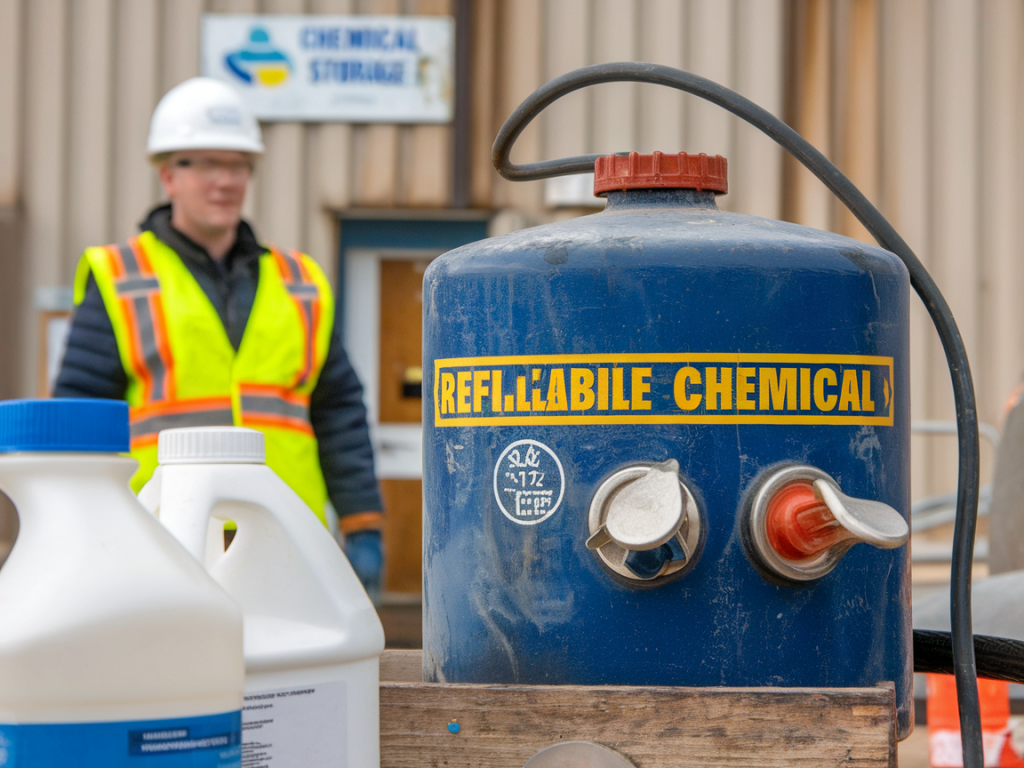
I recently worked with a mid-sized hospitality client in the south of England who was producing far more plastic waste than they realised. After auditing their cleaning supplies and waste streams, we switched their site to refillable chemical dispensers and cut their plastic waste by 70% within six months. This case study explains how we did it, what challenges cropped up, and practical lessons you can use if you're considering the same change.
Why we looked at dispensers in the first place
The property was a 120-room hotel with on-site catering and conference facilities. Like many hospitality sites, they relied on single-use plastic bottles for everything: surface cleaners, detergents, sanitiser and kitchen degreasers. During my initial site visit I noticed two issues:
Stockroom full of half-used bottles taking up space and creating confusing labelling and COSHH risks.Bins overflowing with plastic bottles and expensive waste disposal contracts to manage them.From a sustainability and cost perspective the status quo wasn't tenable. Our brief from the client was simple: reduce plastic waste and lower consumable spend while maintaining cleaning standards and compliance.
Why refillable dispensers?
Refillable chemical dispensers (wall-mounted dilution control systems and bulk refill stations) offer three immediate advantages:
Reduced plastic use: Small dosing bottles or reusable trigger bottles are refilled from large bulk containers rather than frequently disposed single-use bottles.Consistency and safety: Central dilution control ensures correct mixing, lowering chemical overuse and COSHH exposure.Operational efficiency: Fewer deliveries, less storage clutter, and simpler training on dosing and use.I recommended a combined approach: install dosing stations in housekeeping and engineering stores and replace janitorial single-use bottles with reusable 500ml trigger bottles filled from on-site dosing points.
What we changed, step-by-step
Implementation followed a clear sequence to minimise disruption and get buy-in from staff:
Audit: We catalogued all cleaning products, current bottle counts, delivery frequency, and waste volumes.Supplier selection: We chose a reputable supplier offering closed-loop refillable systems and COSHH-compliant bulk chemicals. We evaluated options including Ecolab, Diversey, and smaller UK providers; ultimately the client opted for a UK supplier with local support and an eco-refill line.Trial run: We installed dosing units in the housekeeping store and the main kitchen scullery and ran a four-week trial on high-use products: all-purpose cleaner, sanitiser, glass cleaner and an alkaline degreaser.Staff training: Hands-on sessions showed staff how to use the dosing stations, how to fill trigger bottles, and how to read new label formats and SDS documentation.Rollout: After minor tweaks, we rolled the system to all service areas and replaced single-use bottles with reusable ones.Measurements and results
We tracked four metrics: plastic bottle count (by weight), chemical spend, labour time for stock handling, and customer-facing cleaning quality (through audits). After six months we measured the following improvements:
| Metric | Before | After (6 months) |
|---|
| Plastic bottle waste (kg/month) | 420 kg | 126 kg |
| Plastic bottle count (units/month) | 1,250 | 375 |
| Annual chemical spend | £28,500 | £23,400 |
| Estimated staff time on stock handling (hours/month) | 42 hrs | 24 hrs |
| Cleaning audit score (internal) | 89% | 91% |
The reduction in plastic waste was 70% by weight, matching the client’s target. Chemical spend reduced by roughly 18% due to correct dilution and reduced product waste. Cleaning audit scores slightly improved — a welcome confirmation that performance didn't suffer.
Costs, ROI and procurement notes
The client incurred initial costs for the dosing units and reusable bottles, and a small surcharge for bulk chemical containers. Rough figures:
Installation and equipment (one housekeeping dosing unit, one kitchen dosing unit, and reusable bottles): ~£3,200.Annual supplier service & bulk deliveries: additional £950 vs previous delivery frequency, but per-litre chemical cost was lower.Payback: The drop in consumable spend + reduced waste disposal fees yielded a payback period of ~10–12 months.Procurement tips:
Don’t automatically pick the cheapest supplier. Prioritise local technical support and clear COSHH documentation.Negotiate service visits that include equipment checks and SDS updates.Ask for demonstrable case studies and references from similar-sized sites.Operational challenges and how we overcame them
No change is smooth at first. The main issues we faced and solved:
Staff resistance: Some team members were sceptical about new bottles and worried about extra tasks. We ran short, practical demos and highlighted that dosing is actually quicker — this reduced resistance quickly.Label confusion: Transition periods where old bottles were still onsite caused mix-ups. We implemented a strict "remove old bottles within 48 hours" rule during rollout and added clear, colour-coded labels for refilled bottles.Supply chain disruptions: Occasional delays in bulk deliveries were mitigated by keeping a small emergency reserve and scheduling deliveries less frequently but in larger quantities.Practical tips if you want to replicate this
Start with a pilot area where usage is high and visible results will convince stakeholders — housekeeping or kitchens work well.Measure baseline waste and spend; you’ll need those numbers to prove ROI.Plan training with simple SOPs: show the team how many pumps per trigger bottle equals the correct dilution.Keep COSHH documentation and SDSs accessible digitally and in print near dosing points.Use reusable bottles with robust, tamper-proof labels to avoid cross-contamination or misuse.Switching to refillable dispensers is not a radical technology shift, but it is a process change that pays off quickly in waste reduction, cost control and operational clarity. If you want, I can share the audit checklist we used on this project or a one-page SOP template for dosing stations to help you plan a pilot at your site.