I’ve spent more than a decade in commercial cleaning, and one question keeps coming up from facilities managers and business owners: “How can we cut cleaning costs without lowering standards?” Over the years I’ve had to deliver on tight budgets while maintaining or improving cleaning outcomes — and I’ve learned you can realistically reduce costs by around 30% through smarter planning, targeted investment, and better use of data. Below I share practical steps I use with clients that consistently deliver savings without cutting corners.
Start with a focused audit — don’t guess
The first thing I do is an operational audit. Most savings come from eliminating waste and inefficiency, not from swapping products. Walk through the site during peak and off-peak times, speak to staff, review supplier invoices, and map current cleaning frequencies and tasks. Ask these questions:
On one retail project, an audit revealed that restocking and full-floor polishing were being done daily in low-traffic areas. Reducing frequency based on actual footfall cut labour and product use dramatically without any complaints from staff or customers.
Right-frequency cleaning: match effort to need
Not every space needs daily deep cleaning. I implement a zonal system based on traffic and hygiene risk:
Adjusting frequencies reduces labour hours and chemical consumption. It also allows your best people to focus on areas where standards really matter.
Use evidence-led cleaning — sensor and schedule tech
Investing a small amount in technology pays off quickly. I recommend:
On an office block I worked with, installing dispensers and footfall sensors cut paper consumption by 40% and reduced unnecessary restroom checks, freeing two staff hours per day.
Optimize product selection — efficacy over price
Cheap products can cost more in time and replacement. I focus on:
Always validate products with a small trial. For example, swapping to a concentrated neutral cleaner and a microfiber programme saved one client 25% on chemical spend in six months while improving shine and dwell time.
Microfiber and equipment investments — spend smart to save more
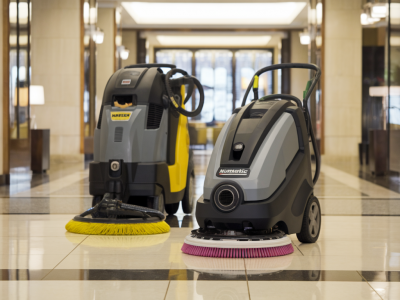
Microfiber mops, cloths, and high-efficiency vacuums cost more upfront but reduce chemical and labour requirements:
I typically recommend a phased replacement: prioritise high-use zones for new microfiber kits, and buy vacuums or floor machines as capital items that pay back in months, not years.
Workforce optimisation — training, roles, and incentives
Labour is usually the biggest line item. You can reduce costs without losing quality by:
On one contract, improving induction and in-shift coaching reduced staff turnover and cut recruitment/cover costs by 18% — a clear, under-appreciated saving.
Inventory control and supplier negotiation
Small changes here can have big effects:
Pulling invoices into a 3-month rolling review often shows duplication of lines or unnecessary premium charges that can be renegotiated.
Measure what matters — KPIs that drive decisions
If you can measure it, you can improve it. I track a few simple KPIs:
Use these to spot trends: rising product use with flat footfall indicates waste; falling labour efficiency suggests training or process problems.
When to outsource vs keep in-house
Outsourcing can be cheaper if you’re paying premium employment costs or lack management bandwidth. Keep in-house when you need tight quality control or rapid response. A hybrid model often works best:
This reduces fixed payroll while keeping standards where most visible.
| Action | Typical saving | Time to payback |
|---|---|---|
| Right-frequency cleaning | 10–15% | Immediate |
| Microfiber & equipment upgrades | 10–20% | 3–12 months |
| Inventory & supplier renegotiation | 5–10% | 1–3 months |
| Technology (sensors, digital checklists) | 5–15% | 3–9 months |
These numbers are conservative but achievable if you implement changes in a coordinated way. The critical point is to measure at every step so you know what’s working and where to iterate.
Real-world example
On a recent project with a 40,000 sq m business park, we applied a combined approach: audit, zoning, microfiber rollout, smart dispensers, and revised supplier contracts. Within nine months the client saw a 32% reduction in total cleaning costs and a 12% uplift in client satisfaction scores — without lowering cleaning frequency in critical areas. Most of the savings came from reduced labour hours, lower consumable waste, and better scheduling driven by footfall data.
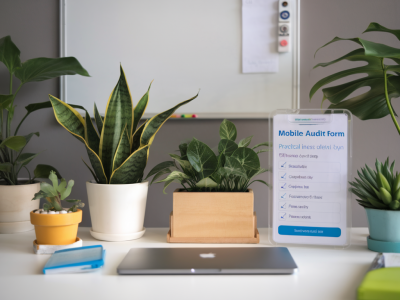
If you want, I can provide a simple audit template or a sample SOP/checklist you can start using this week to identify your top three quick wins.