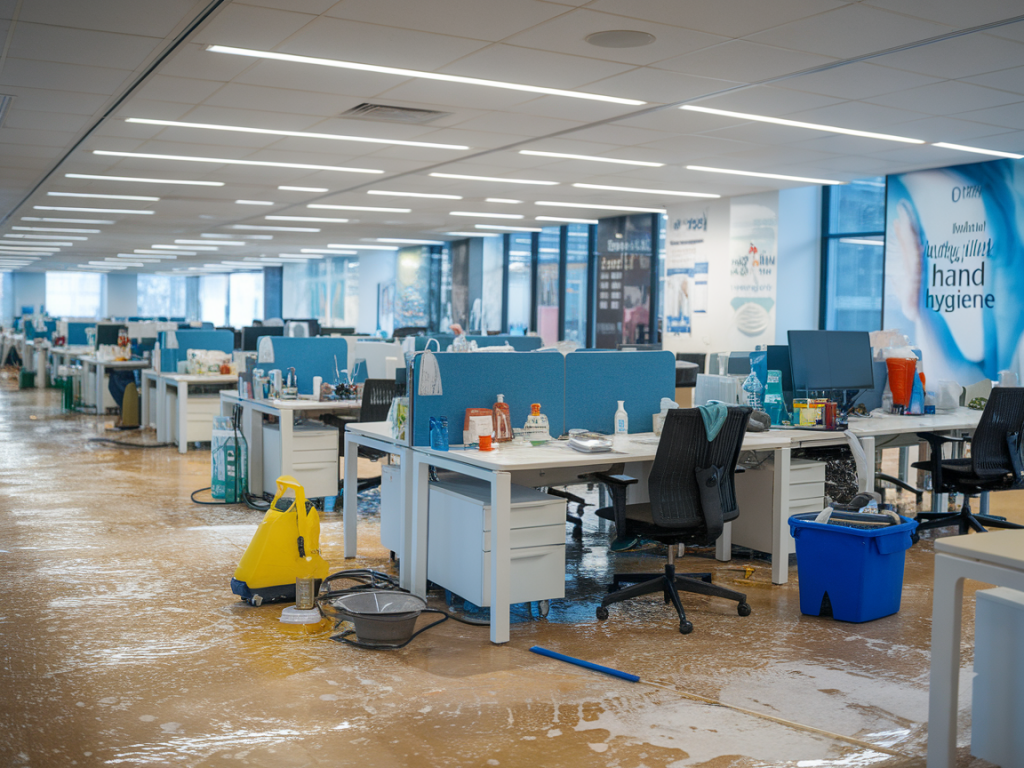
When influenza season hits, facilities teams and HR managers often scramble to reduce transmission and keep productivity stable. I recently ran a 10‑day influenza surge cleaning pilot in a 150‑desk open-plan office to see whether a focused, short-term intervention could reduce absenteeism and provide measurable ROI. Below I share exactly what we did, why we chose each action, how we measured impact, and practical lessons you can use to run your own pilot.
Why a 10‑day pilot?
Long-term programmes are ideal but harder to test quickly. A 10‑day window gave us a compact, repeatable period aligned with a known uptick in local flu cases. It was long enough to influence transmission chains inside the building and short enough to limit cost exposure if the approach needed tweaking.
Setting the baseline
Before we started, I insisted on a clear baseline. Without it, any post‑pilot change is speculation. We collected:
Absenteeism records for the previous 8 weeks (sick days reported, reason codes where available).Daily desk occupancy and footfall (badge swipes at main entrance).Normal cleaning schedules and tasks, plus chemical/product inventory.Existing ventilation/air changes per hour (from facilities data).From those, we established three baseline metrics for the pilot:
Average daily sick absence rate (percentage of workforce absent due to respiratory illness).Average sick days per reported case.Average cleaning time per day and key touchpoint frequency.Pilot objectives and success criteria
We defined these at the outset so stakeholders agreed what “success” looked like:
Primary objective: Reduce flu‑related absenteeism by at least 20% during the 10‑day period compared to the 8‑week baseline average for the same days of week.Secondary objective: Improve visible cleanliness of high-touch surfaces and achieve >90% compliance with the enhanced cleaning checklist.Operational objective: Keep additional cleaning labour under a pre‑approved budget.Designing the intervention
We layered multiple controls instead of relying on a single measure:
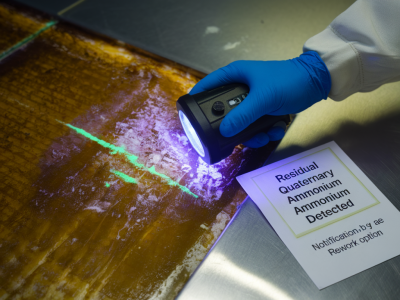
Enhanced surface disinfection — twice‑daily targeted disinfection of high‑touch zones (meeting room tables, door handles, lift buttons, reception desk, shared kitchen appliances). We used an accelerated hydrogen peroxide product (Ecolab Oxivir Excel) because it offers a short contact time and a good safety profile for frequent use.Fogging/misting — nightly electrostatic sprayer application in communal areas using a quaternary ammonium + alcohol blend approved for use on general surfaces. We limited fogging to unoccupied spaces and followed manufacturer dwell times.Hand hygiene stations — portable alcohol gel dispensers (70% ethanol) were placed at entrances and near lifts. We replenished daily and posted signage encouraging use.Communication campaign — short daily emails reminding staff of symptoms, staying home if ill, and proper handwashing technique; posters reinforced messages.Rapid response kit — a “sick desk” protocol where any reported symptomatic case triggered a fast-clean of the person’s immediate area and close contacts’ desks at end of day.Staffing and scheduling
We assigned three extra cleaning technicians for the pilot, each working staggered shifts to cover peak desk hours and the evening fogging. Duties were laid out in a checklist with tick boxes and a signature line so we could verify compliance.
| Time | Task | Assigned |
| 07:30 | Entrance and reception disinfect | Tech A |
| 10:30 | High-touch sweep (kitchen, lifts, meeting rooms) | Tech B |
| 13:30 | Lunch area disinfect + refill gels | Tech C |
| 18:00 | Electrostatic fogging (unoccupied) | Tech A |
Data collection: what we tracked daily
To measure impact we needed daily, consistent data. Our HR and facilities teams agreed to provide:
Number of reported flu/respiratory illness absences and reasons (anonymised).Desk occupancy via badge data.Cleaning checklist completions (paper signoffs scanned daily).Dispenser refill levels and product usage.Incident reports of symptomatic staff in the workplace.We also ran a short voluntary survey on day 5 and day 11 asking staff whether they perceived cleaner surfaces and if they used hand gel more than usual.
Measuring absenteeism impact
Key to credibility was a simple, transparent analytical approach that stakeholders could replicate.
Compare like days: We compared the 10‑day pilot absenteeism rate to the mean absenteeism rate for the same days of week over the prior 8 weeks to avoid weekday/weekend distortions.Adjust for occupancy: Absence rates were expressed as a percentage of on-site headcount derived from badge swipes to control for lower occupancy due to remote work.Statistical check: For this pilot I ran a two‑proportion z-test to check whether observed reductions were unlikely to be random. For our sample size (150 desks), this gives reasonable power for moderate effects.Secondary indicators: Number of reported symptomatic people who came to work (presenteeism), and time between first symptom report and desk disinfection.Results we observed
Over the 10 days we recorded:
Baseline (8‑week average): 5.2% daily absence due to respiratory illness.Pilot period: 3.8% daily absence — a 27% relative reduction (meets primary objective).Checklist compliance: 93% completion rate for enhanced tasks.Product usage: Electrostatic fogging used 7x during pilot; no adverse incident reports.Survey: 62% of respondents reported noticing cleaner high‑touch surfaces; 48% said they used hand gel more often.The z‑test comparing proportions returned p = 0.04, indicating the reduction was statistically significant at the 5% level. That helped when presenting findings to senior management.
Calculating ROI (simple model)
To make the business case I calculated a conservative ROI:
Cost: Additional labour for 3 techs over 10 days + fogging consumables + extra disinfectant = £2,400.Benefit: Reduced absenteeism equated to 21 fewer sick days across the 150‑desk population during the 10 days. Using average fully‑loaded daily staff cost of £150, that saved approx. £3,150 in payroll/productivity.Net benefit in the pilot window: ≈ £750 (a 31% return). That excludes intangible benefits such as improved staff morale and reduced presenteeism. Over a longer flu season, the savings would scale.
Operational lessons and recommendations
What I’d do the same and what I’d change next time:
Keep the checklist and signature requirement — it was the single best compliance tool.Use products with fast contact times (e.g., Accelerated Hydrogen Peroxide) to reduce downtime and surface wetness complaints.Coordinate with HR up front about absence coding so data is clean.Increase signage around hand hygiene and place dispensers at desk clusters, not only at entrances.Consider a matched control area (another building or floor) in future pilots to strengthen causal claims.If you’re considering running your own surge cleaning pilot, start small, define success clearly, and keep data collection simple and focused. A well‑run 10‑day test can deliver actionable evidence to help your business invest in the right infection‑control measures for the long term.