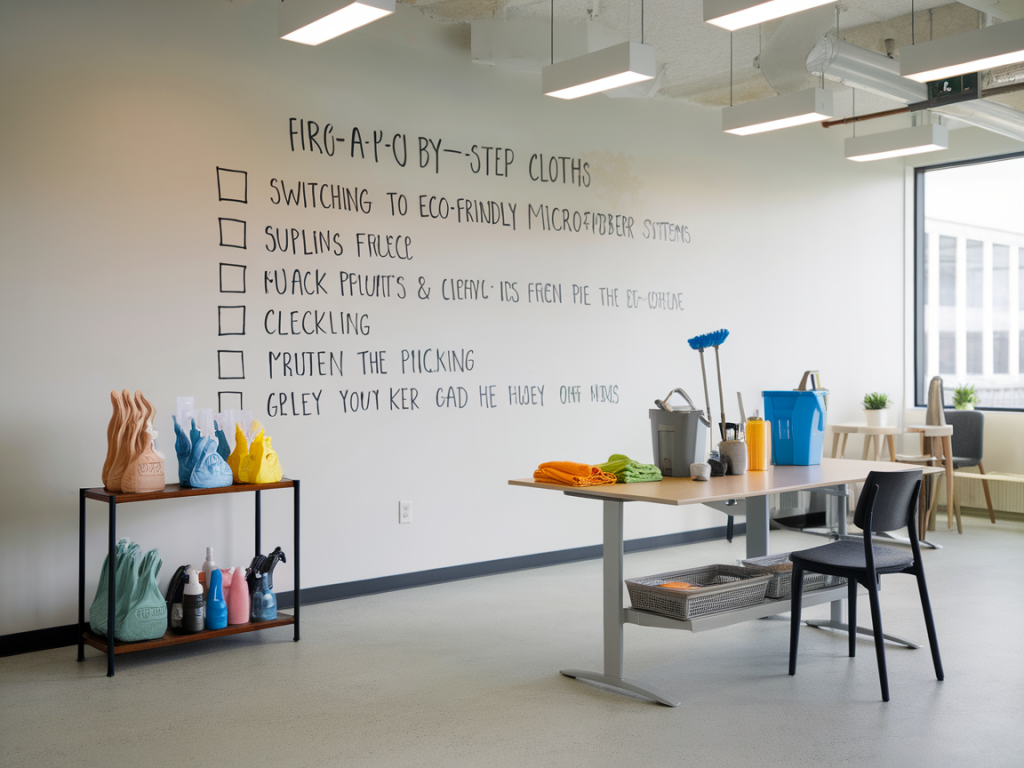
I’ve been helping businesses switch to more sustainable cleaning systems for over a decade, and one change I recommend again and again is moving an office to a microfiber-led approach. Microfiber delivers better soil removal, reduces chemical use, and often speeds up cleaning — but the switch needs planning to get maximum benefit and avoid common mistakes. Below is the step-by-step checklist I use with clients at Bluebaycleaning Co when we transition an office to eco-friendly microfiber systems.
Why microfiber? Quick refresher
Before we dive into the checklist, a quick reminder of why microfiber matters. Microfiber cloths and mops are engineered to pick up and hold dust, bacteria and oils more effectively than cotton. That means:
- Less chemical reliance: You often only need water or a low‑dose detergent to achieve the same or better cleanliness.
- Improved hygiene: Microfibres remove more microbes from surfaces, supported by correct laundering and usage.
- Cost and waste savings: Longer lifespan per cloth, fewer disposable wipes, and less product waste when used correctly.
Initial assessment
Start by understanding your current state. I always conduct a short audit before recommending any system changes. Key things to assess:
- Inventory current cleaning products, cloths, mop types, and machines.
- Identify high‑risk zones (kitchens, toilets, meeting rooms, high-touch desks).
- Note staff skill levels and training history.
- Review laundry capability: on-site, contracted, or outsourced.
- Estimate foot traffic and cleaning frequencies.
Define objectives and scope
Be specific about what you want from the switch. Typical goals include reducing chemical use by X%, cutting consumable waste, improving visible cleanliness scores, or meeting a sustainability KPI. Decide whether the rollout will be:
- Full site (all zones), or
- Phased (pilot areas first such as one floor or communal spaces).
Choose the right microfiber products
Not all microfibers are the same. I recommend choosing products from reputable suppliers who provide technical specs on GSM (grams per square metre), split-fibre technology, and durability. Consider:
- Cloth types: flat cloths for desks and screens, waffle weave for polishing, edged cloths for wet/dry use.
- Mop systems: flat microfiber mops with removable pads; avoid traditional string mops which negate benefits.
- Colour coding: assign colours for zones (red for toilets, green for kitchen, blue for general areas) to prevent cross‑contamination.
Establish laundering and lifecycle processes
Microfiber relies on correct laundering. I’ll always document and agree the laundering process before implementation:
- Temperature: typically 60–90°C depending on local infection control needs.
- Detergent: use a suitable non‑fabric softening detergent; avoid bleach where possible unless protocol requires it.
- Drying: line dry or tumble low; high heat can damage fibres over time.
- Replacement timeline: track wipe/mop pad life and set reorder triggers.
| Task | Minimum standard | Frequency |
|---|---|---|
| Laundry wash cycle | 60°C, no fabric softener, appropriate detergent | After each shift or daily for high-risk areas |
| Visual inspection of pads | No fraying, consistent absorbency | Weekly |
| Replacement of cloths | After 200–300 washes or when performance drops | As required |
Staff training and behaviour change
Switching tools doesn’t automatically change outcomes — staff need to know how to use microfiber properly. My training sessions always include:
- Hands‑on demos: correct folding, wiping patterns, and mop techniques that trap dirt rather than spread it.
- Colour coding and zone rules.
- How to prepare microfibre cloths (dampening correctly if using spray systems).
- What to do when cloths are heavily soiled or contaminated.
- Practical then/now comparisons — we often run a timed task to show productivity gains.
Implement a pilot
Always pilot before a full rollout. I pick a representative area (open plan floor or a block of meeting rooms) and monitor for 4–6 weeks. Key metrics to collect:
- Cleaning time per area.
- Chemical consumption volumes.
- Staff feedback on ease of use and confidence in hygiene.
- Surface ATP or visual cleanliness checks where appropriate.
Measure, adjust, and scale
Use the pilot data to fine‑tune the system. Common adjustments include changing mop head GSM, altering wash temperatures to extend life, or tweaking chemical dosing. When scaling up, ensure:
- Central store has adequate inventory and colour coding enforced.
- Laundry logistics meet the increased throughput.
- Maintenance schedule for microfibre tools is in place (inspection, rotation, disposal).
Communicate the benefits
For buy‑in from facility managers and stakeholders, prepare a short benefits summary. I include:
- Estimated annual cost savings (chemicals, consumables, labour time).
- Reduced waste and environmental impact figures.
- Evidence from the pilot: cleanliness scores and staff satisfaction.
Common pitfalls and how to avoid them
From my experience, these are the issues that sink many microfiber rollouts and how I address them:
- Pitfall: Poor laundering leads to odour and reduced performance. Fix: Set strict laundry specifications and audit them monthly.
- Pitfall: Colour coding ignored. Fix: Make discrete signage and include checks in supervisors' rounds.
- Pitfall: Staff revert to old chemicals. Fix: Keep chemical stores limited and provide quick‑reference cards for common tasks.
- Pitfall: Buying cheap microfibre that sheds. Fix: Trial samples from quality suppliers like Vileda Professional or 3M before purchase.
Tools and products I often specify
I won't push a single brand, but in practice I use a mix of reliable suppliers. Examples I’ve tested and recommend considering:
- Vileda Professional flat mop systems — durable and easy to launder.
- 3M microfiber cloths for detailed work — good for electronics and high‑finish desks.
- On‑site or contracted laundry partners who adhere to EN or local standards for healthcare laundering where required.
If you’d like, I can prepare a tailored checklist for your office size and layout — including a projected ROI based on your current chemical spend and staff hours. Switching to microfiber is one of the most practical sustainability wins you can make, but it pays to do it thoughtfully.