I’m often asked how to get better cleaning outcomes with fewer disruptions and less wasted time. My go‑to strategy is task‑based cleaning — organising cleaning around specific tasks and zones rather than fixed time slots or rigid room lists. When done well, it boosts productivity, improves accountability, and keeps shared workspaces consistently presentable without over‑servicing areas that don’t need it.
What I mean by task‑based cleaning
Task‑based cleaning breaks the day into repeatable, measurable tasks (for example: “sanitize hot‑desking areas,” “empty communal bins,” “clean touchpoints in meeting rooms”) and assigns those tasks to zones and frequencies based on use. It’s different from time‑based or checklist cleaning because it links activity to need — not to a generic schedule on a clipboard.
Why it works in shared workspaces
Shared offices and coworking spaces have variable occupancy, multiple hot‑desking zones, and frequent peak usage times. Task‑based cleaning helps by:
How I map tasks to zones
Start with a quick audit. Walk the facility during different times (morning arrival, lunchtime peak, afternoon quiet) and note:
Once you’ve mapped usage, create zone cards — one per zone — that list required tasks and suggested frequencies.
Example zone card (simple)
| Zone | Tasks | Frequency |
|---|---|---|
| Reception | Disinfect counter; clean glass; empty bins | Every 2 hours / as required |
| Kitchen / Breakout | Wipe surfaces; clean kettle/coffee area; restock soap; empty recycling | Hourly peak / 3× daily off‑peak |
| Meeting rooms | Wipe tables & touchpoints; remove cups; vacuum if used | After each booking / daily deep clean |
| Open plan desks | Clear bins; spot clean spills; disinfect hot desks | Daily; hotspots more often |
Designing the daily task loop
I recommend dividing the shift into loops — short cycles where a cleaner completes a set of tasks across several zones, then repeats. A typical pattern for a 7.5‑hour shift might be:
This ensures high‑impact areas are visited repeatedly while keeping overall coverage consistent.
Creating clear task cards and checklists
Task cards should be short and action‑oriented. Example for meeting rooms:
Use laminated cards or a mobile app so cleaners can mark tasks complete. If you use a system like SiteConnect, Swept, or CleanSmarts, you can assign tasks, capture photos, and generate reports — I’ve found these tools cut admin time and help prove compliance to clients.
Training and behaviour
Task‑based systems rely on staff knowing what “done” looks like. I train teams on:
Short practical sessions and shadowing work better than long classroom talks. I also use quick daily briefings (5–10 minutes) to review unusual bookings, events, or VIP visits.
Measuring success and KPIs
Keep KPIs simple and linked to tasks:
Review these weekly in operations meetings. If task completion drops, dig into causes — often it’s understaffing, unclear task scope, or equipment failures (vacuum with poor suction, broken spray bottles, etc.).
Choosing equipment and supplies
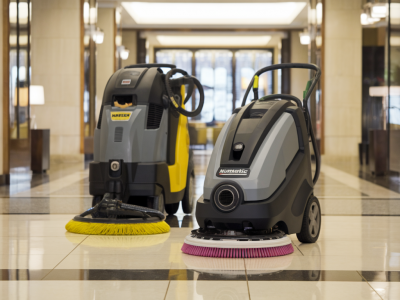
Match equipment to task frequency. For example:
I prefer microfibre for most surface cleaning; it reduces chemical use. For disinfecting, products based on sodium hypochlorite or alcohol can be useful — follow manufacturers’ contact times. Brands I’ve used successfully include Diversey for professional disinfectants and Vileda for durable microfibre systems.
Handling variability: events and spikes
Shared workspaces have unpredictable peaks. Create an on‑call rota and a rapid‑response pack: portable vacuum, spray bottles, wipes, signage, and a bin liner roll. Communicate the process to clients so they know how to request urgent cleaning via a single point of contact (app, reception, or a dedicated email).
Simple rollout plan (first 30 days)
Small iterations work better than a big overnight change. Start in a high‑impact area (kitchen + reception) to show quick wins and build momentum.
If you want, I can send a printable set of zone cards and a template rota tailored to your floor plan — just tell me square metres, typical occupancy, and where your busiest areas are, and I’ll put together a starter pack you can use straight away on Bluebaycleaning Co (https://www.bluebaycleaning.co.uk).