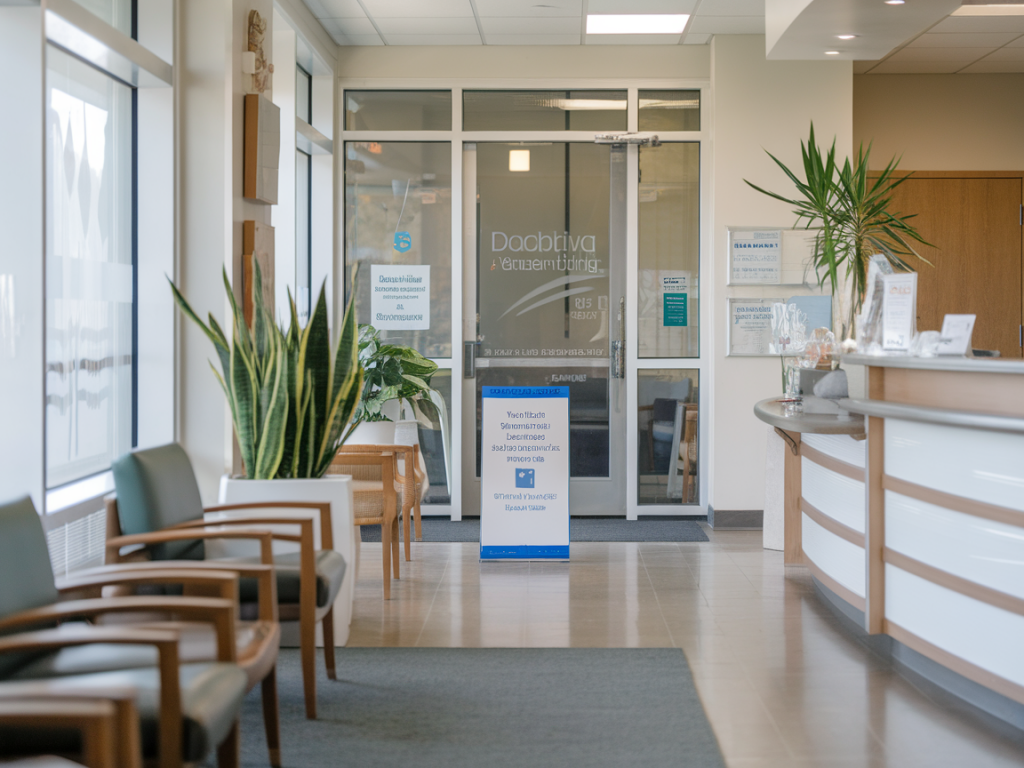
I’ve spent more than a decade managing cleaning programmes in healthcare and other high-risk environments, and one recurring challenge is how to keep reception areas welcoming while minimising allergen exposure. Reception desks are high-touch, high-traffic zones where people arrive with dust, pollen, skin flakes and sometimes animal dander. If you’re responsible for infection control or facilities, a low‑allergen protocol helps reduce patient discomfort, lowers complaint rates, and supports clinical teams by reducing triggers for asthma and allergic reactions.
Why focus on reception areas?
Reception areas are often the first point of contact and the busiest shared space in a clinic or hospital. They combine several risk factors for allergens:
High turnover of visitors bringing outdoor allergens inside (pollen, mould spores).Soft furnishings that retain dust and dander (upholstery, rugs).Multiple high-touch surfaces (countertops, screens, pens).Ventilation challenges—mix of fresh air and recirculated air.Addressing these factors does more than help allergy sufferers: it improves perceived cleanliness and patient confidence in your facility’s hygiene standards.
Core principles of a low‑allergen cleaning protocol
My approach uses four guiding principles that shape procedures, product choice and staff training:
Reduce allergen reservoirs: Remove or modify items that trap particles (minimise soft furnishings, use wipeable materials).Control transfer: Focus on high-touch cleaning and proper glove/hand hygiene to stop allergens moving around.Improve air quality: Work with HVAC teams to use appropriate filtration and manage humidity.Use low‑irritant products: Prioritise hypoallergenic, fragrance‑free detergents and disinfectants to avoid chemical-triggered reactions.Step-by-step protocol I recommend
This is a practical, repeatable protocol I use when I audit reception areas. It’s designed to be realistic for busy sites.
Daily morning setup (before opening): Vacuum or HEPA‑filtered clean floors; damp‑wipe all horizontal surfaces with a microfibre cloth and a neutral, fragrance‑free cleaner; clean reception screens, keyboards and phones; empty bins with plastic liners; check and replenish hand sanitiser that is fragrance‑free.Throughout the day (every 2–4 hours depending on traffic): Wipe high‑touch points—door handles, counters, card terminals, pens—with an approved disinfectant wipe; quick spot‑vacuum entry mats; remove visible debris from seating areas.End of day deep clean: Damp‑mop floors with a low‑alkaline cleaner; clean under and behind furniture; launder removable upholstery covers or use steam cleaning where suitable; clean and sanitise phones, keyboards and tablet devices thoroughly.Weekly tasks: HEPA vacuum upholstery and curtains; dust high surfaces and vents with electrostatic cloths; clean air intake grilles.Monthly/quarterly: Replace HVAC filters per manufacturer guidance—consider upgrading to MERV13/HEPA where feasible; deep‑clean carpets with hot water extraction if retained; review soft furnishings and remove unnecessary items.Products and equipment that make a difference
Choosing the right tools is critical. My go-to items include:
Microfibre cloths for dry and damp dusting—these capture particles rather than dispersing them.HEPA‑filtered vacuums (e.g., Nilfisk or Numatic models with sealed systems) to prevent re‑aerosolisation of dust.Fragrance‑free, dye‑free, low‑irritant cleaners and disinfectants—look for products labelled hypoallergenic or designed for healthcare settings such as Ecolab or Diversey ranges.Electrostatic dusters for vents and high ledges.Portable HEPA air purifiers for areas with poor ventilation—helpful brands include IQAir and Blueair.Addressing soft furnishings and toys
Reception areas often have seating and sometimes child play zones. Soft materials are allergen traps. My practical recommendations:
Replace fabric seating with wipeable vinyl or leather alternatives where budget allows.If fabric must remain, use removable, washable covers and launder weekly at high heat where fabric care labels allow.Keep play toys to a minimum and use washable, hard‑surface toys cleaned between use; consider a toy rotation so used items can be quarantined and cleaned.Air quality and ventilation
Airborne allergens are controlled through ventilation and filtration. Steps I typically implement or recommend:
Work with the site’s HVAC provider to ensure systems are maintained and filters replaced on schedule. Upgrading filters to MERV13 (or equivalent HEPA where HVAC supports it) yields measurable benefits for particle reduction.Maintain relative humidity between 40–60% to minimise dust mite proliferation and mould spore activity.Use portable HEPA purifiers in smaller reception spaces or where ventilation is inadequate. Place units away from walls and high‑traffic areas for best airflow.Training and behavioural controls
Even the best protocol fails without well‑trained staff. I focus training on:
Why hypoallergenic products are used (so staff don’t switch to strong‑scented cleaners “for smell”).Proper damp‑dusting technique—don’t dry dust, which re‑suspends particles.PPE and glove use: gloves for cleaning, plus hand hygiene after glove removal.Reporting procedures for spills or visible mould growth so they’re dealt with promptly.Documenting protocols and meeting COSHH requirements
Make sure your protocol is documented and aligns with COSHH and local health & safety policies. Include:
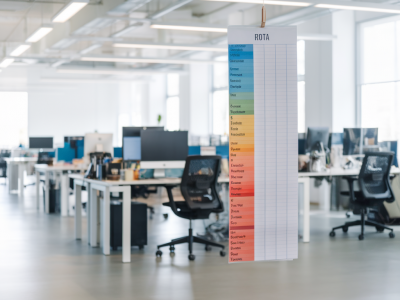
Product safety data sheets (SDS) for every chemical used.Task sheets with frequencies, responsible staff and checkboxes for compliance tracking.An incident log for allergic reactions or complaints so you can identify hotspots and adjust cleaning frequency or materials accordingly.Common questions I get asked
Will scent-free products actually reduce complaints? Yes—fragrances are a common trigger for sensitive patients and staff. Switching to fragrance‑free, low‑VOC products typically reduces respiratory complaints and perceived irritation.
Can we fully eliminate allergens? No—complete elimination is unrealistic. The realistic goal is reduction to minimise triggers and exposure, and make the environment comfortable for most users.
Is it worth replacing carpet with hard flooring? If budgets and building rules allow, yes. Hard floors are easier to keep low‑allergen. If change isn’t possible, increase cleaning frequency and invest in professional steam extraction periodically.
Sample checklist (for daily use)
| Task | Frequency | Completed |
| Damp‑wipe reception counters | Every 2–4 hours | |
| HEPA vacuum entry mats | Morning & as needed | |
| Sanitise card terminals and pens | Every 2–4 hours | |
| Refill hand sanitiser (fragrance‑free) | Daily | |
| Spot clean seating | Throughout day | |
If you’d like, I can convert this into a printable checklist or an editable SOP tailored to your site—tell me the size of your reception area, average daily footfall and whether you have carpet or hard flooring, and I’ll draft a version you can use immediately.