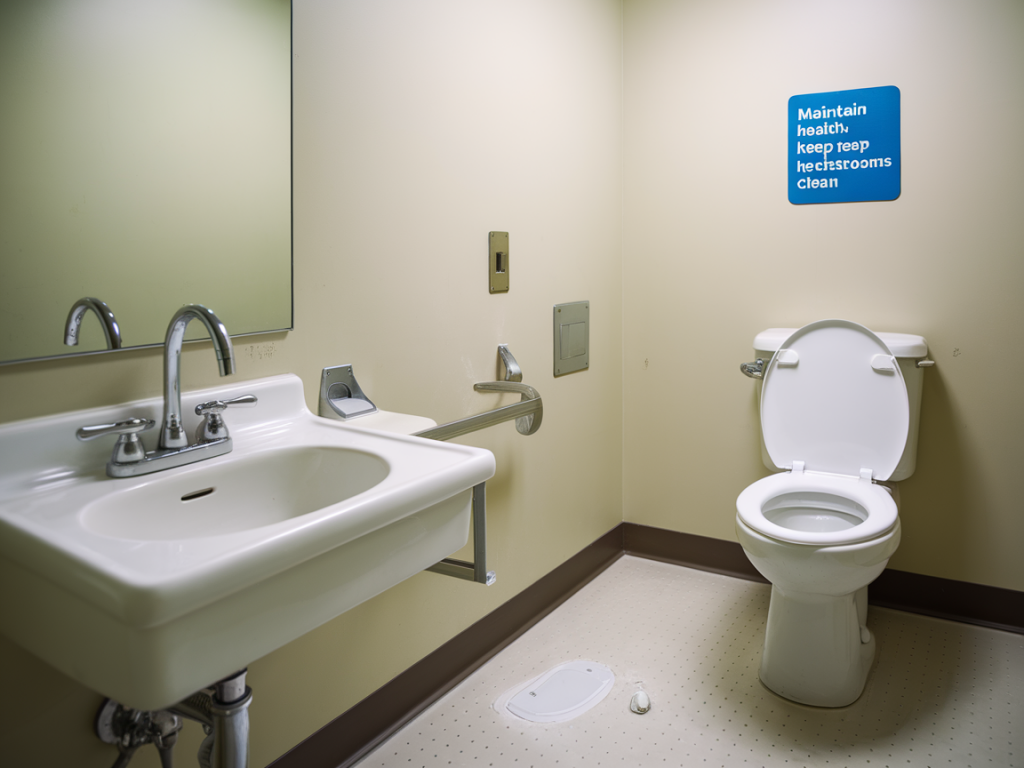
Restrooms are small spaces that punch well above their weight when it comes to workplace health. Over the years I’ve seen simple restroom improvements deliver measurable reductions in absenteeism — not because a toilet is sparkling, but because targeted hygiene measures break transmission routes for common infections. In this piece I’ll share realistic, actionable strategies you can implement across offices, retail locations, or hospitality sites to reduce sick days by focusing on restroom hygiene.
Why restrooms matter more than you think
People often think of restrooms as separate from day-to-day operations, something cleaned when it’s “dirty.” In reality restrooms are high-risk nodes for spreading pathogens: frequent hand-to-hand contact points, high-touch surfaces, and a steady stream of users. Addressing restrooms effectively reduces gastrointestinal and respiratory infections — the two main drivers of short-term sickness absence.
From my experience managing cleaning programmes, the biggest wins come from three things: consistent protocols, the right consumables and equipment, and staff plus user education. When those three align, you see fewer outbreaks, steadier attendance, and happier facilities teams.
Key interventions that cut transmission
Below are practical interventions I’ve used with clients that produced real results. These aren’t theoretical — they’re procedures I’ve tested across retail, offices and healthcare-adjacent environments.
Operationalising hygiene: routines and responsibilities
It’s not enough to pick the right products; you must turn them into reliable routines. Here’s a simple model I use with clients — define, schedule, document, audit.
Below is an example table I’ve used as the backbone of many site schedules. You can adapt it to your footfall and risk profile.
| Task | Frequency | Notes |
|---|---|---|
| High-touch wipe-down (flush handles, taps, door handles, soap pumps) | Every 2–4 hours (hourly at peak) | Use a disinfectant with claims against viruses and bacteria (e.g., a chlorine-based or accelerated hydrogen peroxide product) |
| Refill soap and paper towels | Every shift or as needed | Keep spares in an accessible stock box near the restroom |
| Full clean (fixtures, floors, trash, mirrors) | Daily | Include scheduled deep-clean weekly |
| Deep clean (descaling, grout, vents) | Weekly to monthly | Frequency depends on water quality and usage |
Product selection and safe use
Picking cleaning chemicals is about balancing efficacy, safety and sustainability. For disinfection I often recommend accelerated hydrogen peroxide (AHP) or alcohol-based wipes for touchpoints because they’re fast-acting and leave minimal residues. Chlorine-based products are excellent for heavy soil or when dealing with vomit and diarrhoeal incidents — but they require COSHH assessment and staff training.
Key points when choosing products:
Training and culture — the human factor
Even the best equipment fails when staff aren’t on board. I invest time in short, practical training sessions that emphasise why each task matters for reducing sick days. Demonstrations, role-play and quick competency checks work better than long slide decks.
A quick case example
At a 150-person office I consult with, absenteeism spiked during winter due to repeated norovirus-like outbreaks. We introduced ABHR dispensers at exits, replaced air dryers with paper towels in restrooms, implemented 2-hour touchpoint wipes during core hours, and ran a one-hour staff briefing explaining the why and how.
Within three months the facility logged a 28% reduction in short-term sick days related to gastrointestinal and respiratory complaints. The cost of consumables and extra labour was offset by fewer cover shifts and higher productivity — and the facilities team reported lower firefighting stress because issues were addressed before they escalated.
If you’re starting from scratch, pick three high-impact changes you can deliver in 30 days: replenish hand hygiene supplies, introduce a touchpoint wipe schedule, and run a 15-minute training for cleaning staff. Track the impact over three months and adjust from there.