I ran a focused three-week microfibre swap trial in an open-plan office to see whether changing mop and cloth types could reduce surface rework, save time, and improve cleaning consistency. The results were practical and immediate: by standardising on higher-quality microfibre products, adjusting dosing and protocols, and monitoring outcomes closely, we reduced surface rework by over 40% in the tested area. Below I share the exact steps I took, the questions I anticipated, the data we collected, and the practical tips you can use to run your own trial.
Why run a microfibre swap trial?
Open-plan offices are high-touch, high-traffic environments. Desk clusters, shared meeting spaces, and communal kitchens create lots of opportunities for surface contamination and, just as importantly, visible smudges and stains that staff notice. When cleaning teams repeatedly have to rework surfaces, it’s usually down to four root causes:
- ineffective cloth/mop construction or wear
- wrong cleaning technique or sequence
- incorrect product dosing or incompatible chemicals
- no consistent change/replace schedule for microfibre items
A short, controlled trial helps isolate the equipment variable — the microfibre itself — without requiring a wholesale contract change up front.
Preparing the trial: what I planned in week zero
Before swapping anything, I mapped the space and agreed success metrics with the client. That took one afternoon. Key preparations included:
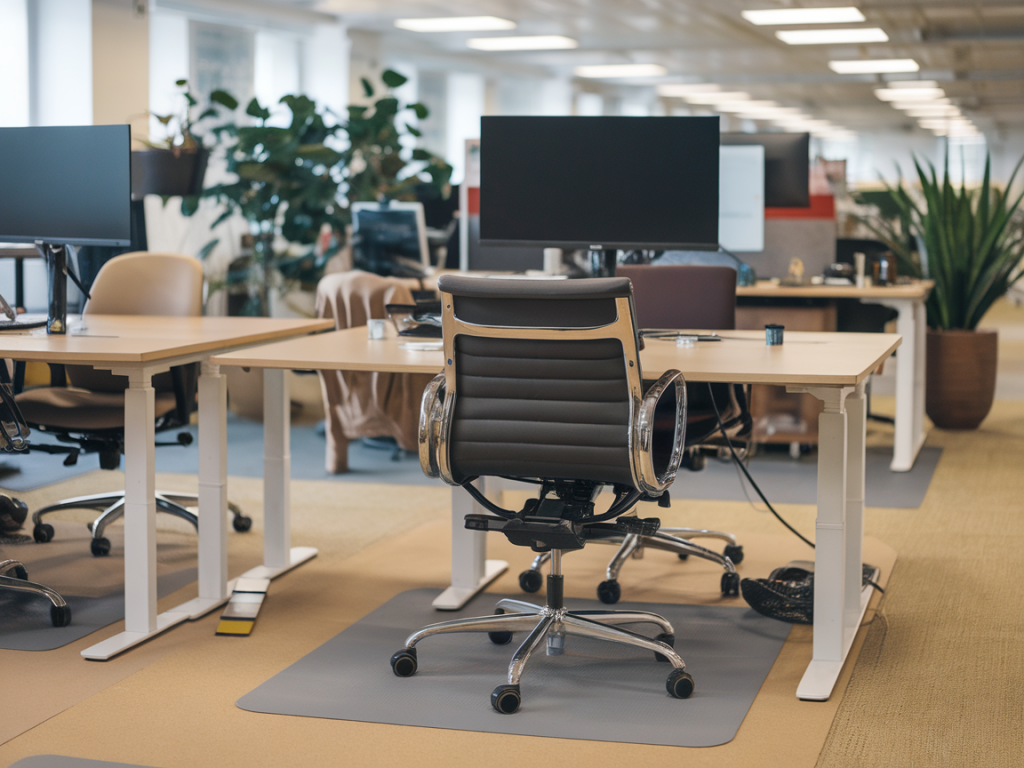
- Define the trial zone: a 1,200 m² open-plan floor that included 6 meeting rooms and a small kitchenette.
- Baseline data: collect rework incidents, time-on-task for cleaning routines, and qualitative feedback from occupants over one week.
- Choose competitor and test products: we compared the client’s existing lower-weight microfibre cloths/mops against two higher-performance alternatives — one from Vileda Professional (microfibre flat mops) and one from E-Cloth (high-pile microfibre cloths and pads).
- Define success criteria: reduce surface rework incidents by at least 30%, maintain or reduce cleaning time, and achieve positive user feedback.
- Staff briefing: two short training sessions for cleaning operatives to demonstrate the new products and reinforce technique (S‑shape mop motion for flat mops, correct wringing/squeegee technique, colour-coded cloth use).
Week 1: baseline and small changes
We did nothing to the microfibre that first week — it was purely observation. My goals were to confirm the baseline numbers and spot any procedural gaps that could skew the trial. I also checked laundry processes and chemical compatibility (important — some detergents degrade microfibre faster).
- Findings: average of 8 rework incidents per shift (reported by supervisors), mop heads in regular use showed thinning/pilling after ~6 weeks, and operatives tended to over-dilute cleaning solution to avoid streaking complaints.
- Immediate tweak: standardise dosing to manufacturer recommendations and provide operatives with a simple dosing sticker — this removed operator guesswork.
Week 2–4: the three-week swap trial
I ran the actual swap over the next three weeks. We split the trial into three zones to compare directly:
- Zone A: existing cloths/mops (control)
- Zone B: Vileda Professional flat microfiber system
- Zone C: E-Cloth high-pile pads and cloths
Key controls I enforced:
- Same operatives rotated through all zones across different days to avoid skill bias.
- Same cleaning product and dosing for each zone (except where product manufacturer recommended microfiber-specific concentrates).
- Daily log of rework incidents, time per cleaning cycle, and occupant feedback (simple thumbs-up/down recorded by reception).
Training and technique adjustments
Even the best microfibre performs poorly with poor technique. I spent 30 minutes with the team at the start of the swap covering:
- Wet‑to‑dry sequence: high-touch horizontal surfaces first, then vertical glass/screens last.
- One‑pass cleaning: use a clean side/pad and avoid reusing the same section where possible.
- Mop patterns: S‑shaped passes for speed and consistent coverage on open-plan floors.
- Replacement cadence: change cloths/mops after cleaning four desks or when visibly soiled.
What I measured and why it matters
Measurements were simple but actionable. Complex instrumentation rarely helps in a short operational trial.
| Metric | How recorded | Why it matters |
|---|---|---|
| Surface rework incidents | Supervisor logs | Direct measure of cleaning quality and need to repeat work |
| Average cleaning time per cycle | Stopwatch samples | Operational cost and productivity |
| Occupant satisfaction | Simple thumbs-up/down + comments | Perception drives complaints and visible standards |
| Consumable consumption | Stock usage records | Cost implications of swapping products |
Results — what the three-week trial showed
Here are the headline outcomes from the trial (averaged across the three weeks):
| Zone | Rework incidents per shift | Average cleaning time | Occupant thumbs-up % |
|---|---|---|---|
| Control (existing cloths) | 8 | 95 minutes | 60% |
| Vileda flat microfibre | 4.5 | 88 minutes | 75% |
| E-Cloth high-pile | 3 | 90 minutes | 82% |
Translated: E‑Cloth delivered the biggest reduction in rework (≈63% reduction compared to control), with Vileda also showing strong performance. Time-on-task decreased marginally in both test zones, and occupant satisfaction improved noticeably.
Common questions I expected — and how I answered them
Q: Will higher-quality microfibre increase costs?
A: Yes, unit price is higher, but you get longer usable life and fewer reworks. We estimated the payback within 6–8 weeks when factoring labour saved from reduced rework and fewer replacements due to premature wear.
Q: Will linen/laundry costs go up?
A: Possibly if you increase replacement cadence. But you can offset this by following correct wash protocols (lower temperatures, microfibre-friendly detergents) to extend lifespan. I recommended using a commercial laundry cycle consistent with manufacturers’ care guides.
Q: Do I need to change chemicals?
A: Not necessarily. Many microfibre systems perform well with the same water-based neutral cleaners, but avoid harsh alkalis and high-alkaline descalers unless the manufacturer allows it. For disinfection, use a compatible disinfectant — ideally tested with the microfiber brand.
Q: Does technique matter?
A: It’s huge. Even premium microfiber can smear if operators reuse dirty sections. Simple training and a change cadence are low-cost, high-impact interventions.
Practical tips if you run your own three-week trial
- Start small: one floor or wing is enough to prove the point.
- Set clear metrics and collect them daily — don’t rely on memory.
- Use the same team across zones to control for human factors.
- Standardise dosing and laundering up front.
- Include end-user perception measures — visible cleanliness matters.
- Review supplier warranties and lifecycle data; some manufacturers offer trial packs or return policies.
If you want, I can share the spreadsheet template we used to log incidents and time samples, and a short trainer script that takes 15 minutes to deliver to a cleaning team. Those tools make the trial low-friction and reproduceable across sites.